- News
AI opened new opportunities for businesses in Porvoo
Businesses in Porvoo set out to explore how AI could help them reduce waste but discovered many other ways to benefit from the new technology as well. Representatives of Brunberg, Gabriel 1763 and Restaurant Salt, all participants in the BioAarre project, share their experiences: “There’s no going back to the way things were.”
AI is on everyone’s lips right now, but can it be used to reduce waste, make better use of side streams and turn biowaste into new products?
The BioAarre project, organized by Posintra, explored ways to help food and restaurant businesses in Porvoo improve their resource efficiency and waste management. AI was used as a tool in this work.
Brunberg reduces waste and explores new ways to use AI
Brunberg has been working to reduce waste for decades. Since the 1960s, the confectionery manufacturer has, for example, sold sweets that differ in appearance or size at its factory shop.
“Reducing waste has always been important to us. We think we are already doing a very good job, but there is always room for improvement and further development”, says Brunberg CEO Katarina Enholm.
That is why the company decided to participate in the BioAarre project. At the beginning of the project, a sample was taken from the biowaste container on Brunberg’s chocolate kiss production line and analyzed to see whether new uses could be found for the biowaste.
“We received a few suggestions, but they are not yet economically viable. The biowaste would have to be broken down and processed into something new, for example for use in the cosmetics industry, and at least for now that is expensive,” Enholm says.
Currently, Brunberg aims to reuse all usable side streams primarily as raw materials in confectionery production.
“If that is not possible, we direct the biowaste to animal feed production, while the rest is transported for use as a raw material for biogas,” says Factory Manager Jouni Vienonen.
Materials sent to animal feed production include foam and biscuits from the chocolate kiss production line as well as production offcuts.
Brunberg is also working to reduce biowaste by refining its production processes and improving its ability to predict issues such as machinery breakdowns. AI can help with this too.
“The BioAarre project and the experts from Aimiten were very inspiring. We became excited about all the different ways AI could be used,” says Finance Manager Jessica Suominen.
AI can process large amounts of data and identify errors that the human eye might not notice. It can also bring entirely new ideas to the table.
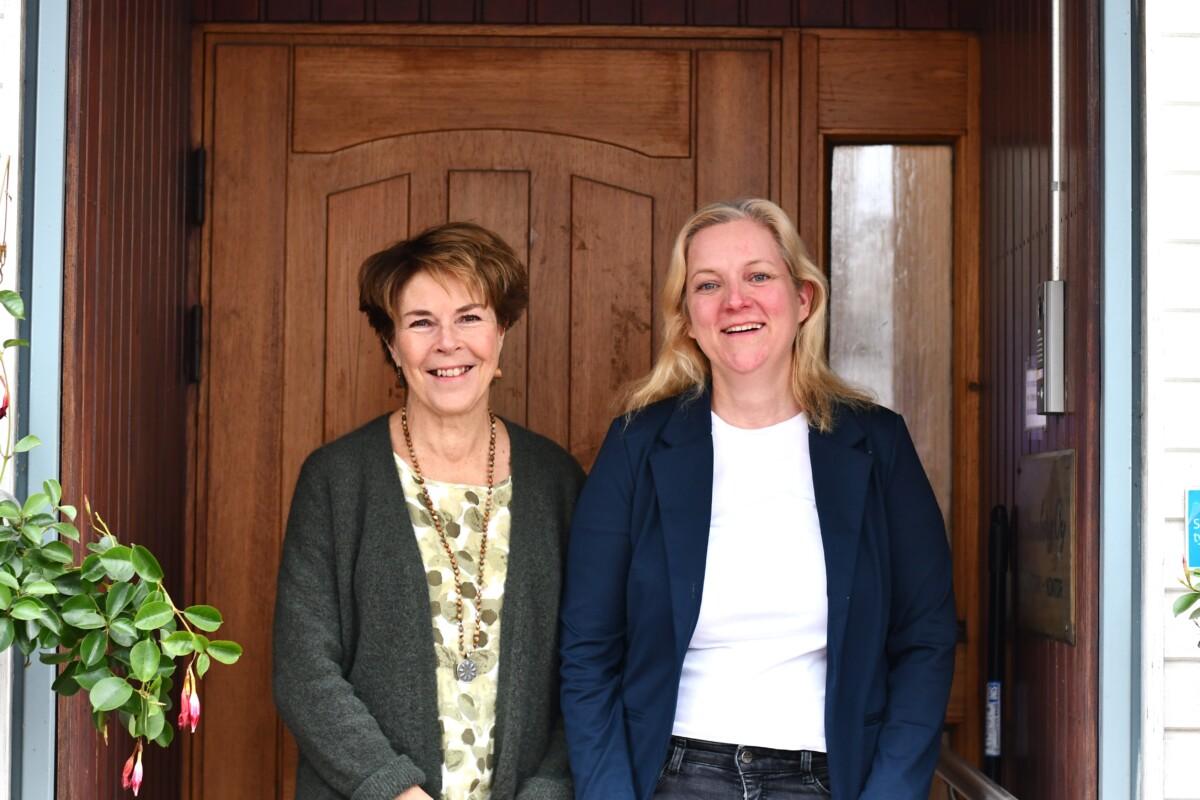
Brunberg is currently planning AI training for its employees and developing its own AI policy.
“AI is a good assistant, but ultimately it is people who make the decisions,” Enholm says.
Alongside its efforts to reduce waste, Brunberg is also advancing its sustainability work by switching to certified cocoa that supports farmers’ livelihoods and forest protection. In addition, the emissions calculations initiated as part of Posintra’s Co2Jump project are being expanded to cover Scope 3 emissions across the entire value chain.
“We are concerned about climate change, which also threatens the future of cocoa, our main raw material. Sustainability is becoming increasingly important. Even though the EU sustainability reporting directive does not yet apply to us, we want to stay ahead of the curve. As a family-owned company, we want to safeguard the future of the business for generations to come,” Enholm says.
AI did days of work in one minute
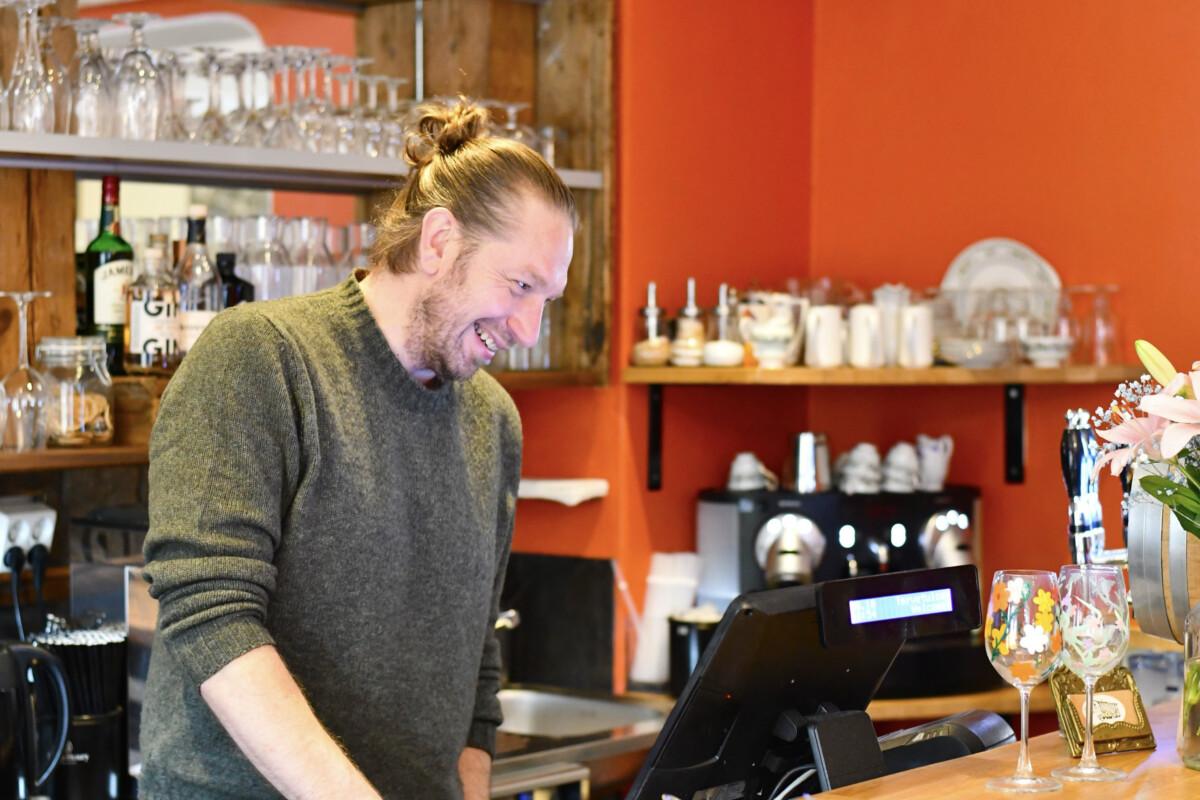
At first, Tommi Liekkala did not think that the BioAarre project would be particularly useful for Restaurant Gabriel 1763.
The restaurant generates very little waste, as it has already invested considerably in reducing waste for many years.
“But when I visited Posintra, I realized that the project was interesting. Really interesting! Within the first hour, I understood that AI was going to free up an enormous amount of my time. I think we humans have a certain amount of resistance to change built into us. You could say I’ve always been more of a chalkboard kind of person,” Liekkala says.
He says he has learned that AI can be used for many different routine tasks, including creating an annual calendar.
The annual calendar brings together seasonal peak periods, public holidays, seasonal ingredients, recruitment schedules and different events. In the future, actual sales figures will also be added to the calendar so that they can be used to forecast sales for the following year more accurately.
“I had been trying to create an annual calendar for us for a year, and AI did it all in one minute. Holidays and seasonal peaks will no longer catch us by surprise. And I got all of this in a visually appealing format,” Liekkala says.
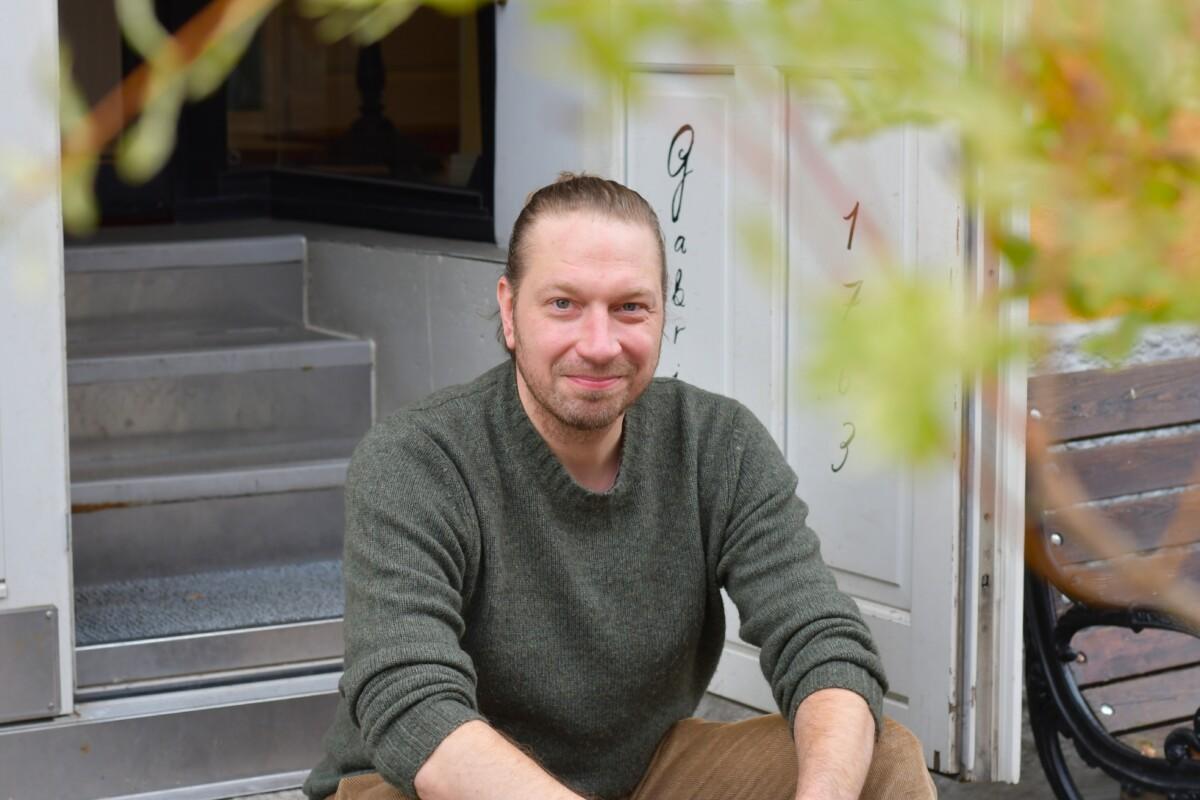
In the future, the aim is to explore the possibilities offered by AI in greater depth. Plans are already underway, for example, to redesign the restaurant’s premises.
“We have too much empty space. AI is incredibly good at visualizing ideas. With AI, I can immediately show the people carrying out the renovation exactly what I want. I no longer have to try to explain everything in words and hope that I’ve made myself understood,” Liekkala says.
As technology helps with planning, Liekkala has more time for other things, such as developing the restaurant.
“Without the project, I’d probably still be happily doing calculations on an abacus. It really opened new perspectives on how I can work,” he says.
Restaurant Salt can save thousands of euros with AI
“I joined the BioAarre project out of personal interest because I didn’t want to fall behind in the development of AI. I was also interested in reducing waste, which is something I care deeply about,” says Teemu Lehtonen, owner of Restaurant Salt.
Although an à la carte restaurant does not generate large amounts of waste, every saving is welcome.
“There is hardly any waste left on customers’ plates. The plates come back to the kitchen practically clean. In the kitchen itself, the waste is mainly peels and trimmings,” he says.
During the project, Lehtonen began considering whether AI could be used to forecast customer volumes and thereby reduce waste. Forecasting customer volumes would also help the restaurant determine how much of each ingredient to order and how many customers to expect on different days.
“Old Porvoo has a clear seasonal rhythm that is fairly easy to follow, but it is more difficult to predict how events and public holidays will affect customer numbers,” he says.
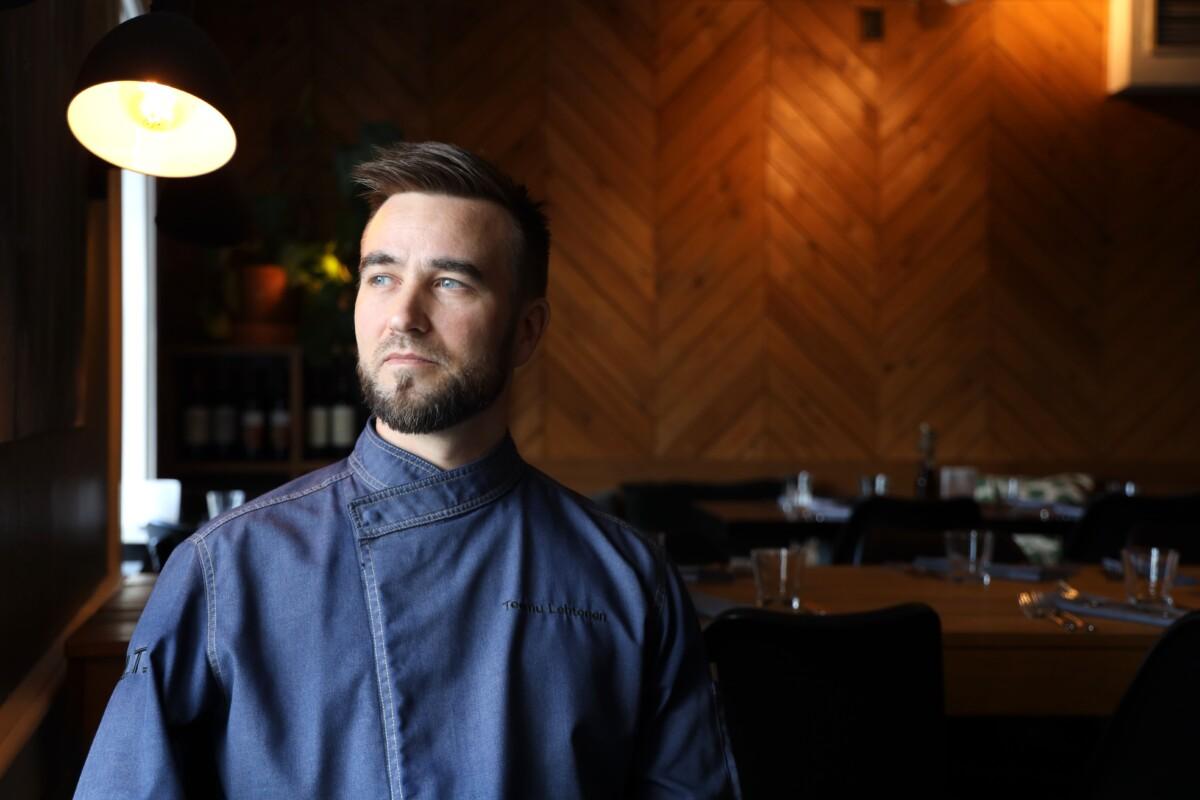
Using ChatGPT, Lehtonen began developing a forecasting model that uses the previous year’s sales figures and customer bookings to produce a forecast for each day of the year.
“I got a proposal that looked perfectly sensible, and it didn’t take an unreasonable amount of time either,” Lehtonen says.
Lehtonen also used AI to fit a new menu into the restaurant’s existing template and translate it into different languages.
“I left the computer to work on it while I had lunch. By the time I came back, the job was finished. If I had done it myself, it would have taken hours,” he says.
AI has also helped with staff scheduling. According to Lehtonen, AI-assisted planning can save thousands of euros a year.
In the autumn, he also used AI to create an advertisement.
“I think the ad turned out really well. There’s no going back to the way things were. AI is a useful tool that saves time and the results have been really good.”
More information:
This article was produced as part of the BioAarre project.
Anna Pyyhtiä
Posintra Oy
+358 50 441 1668
anna.pyyhtia@posintra.fi


The latest from the same category
- News
AI opened new opportunities for businesses in Porvoo
Businesses in Porvoo set out to explore how AI could help them reduce waste but discovered many other way...
- News
How can businesses benefit from AI?
AI is transforming job roles and creating opportunities to work smarter and more productively. In Posintr...

- Articles, Hankkeet, Kilpilahti
Building a pathway towards industrial water circularity in Kilpilahti
Vain yksi keskustelu muiden yrittäjien kanssa voi tuoda omaan toimintaan ihan uusia ideoita! Posintralla...